Recognizing Early Signs of Eye Problems in Pets and Horses
Recognizing Early Signs of Eye Problems in Pets and Horses
Eye health is often taken for granted until a problem is impossible to ignore. Whether you care for dogs, cats, horses, or even exotic animals, changes in vision or ocular comfort can affect every aspect of your animal’s wellbeing. At Veterinary Specialists, we understand how alarming it can be to notice squinting, redness, or discharge from your animal’s eye. Located at 91 NE 6th St, Homestead, FL 33030, our team of veterinary specialists is dedicated to providing advanced ophthalmic care for animals throughout Homestead and the surrounding communities.
In this guide, we will help you recognize the earliest signs of eye disease in companion animals and horses, explain why these problems develop, and outline the specialized treatment options available at our Homestead clinic. You will also find practical advice for protecting your animal’s vision at home or on the farm, along with clear guidance on when it is time to seek professional veterinary ophthalmology care. If you are worried about your animal’s eyes, you are not alone—read on to learn how to spot trouble early and what steps to take.
Spotting the Early Signs of Eye Problems in Dogs, Cats, and Horses
Early detection of eye problems is the key to preserving vision and comfort in animals. Regardless of whether you care for a playful dog, a curious cat, or a valuable performance horse, the first symptoms of ocular disease are often subtle.
Common Warning Signs in Companion Animals
In dogs and cats, signs of eye trouble can include increased blinking or squinting, redness around the eye, watery or thick discharge, cloudiness or bluish haze over the eye, and noticeable pawing or rubbing at the face. You may also notice your animal shying away from light or struggling to find toys or food. Sudden changes in behavior, such as reluctance to go outside, or bumping into furniture, can signal a more advanced issue.
Signs to Watch for in Horses
Equine eye problems may present differently. Horse owners should watch for excessive tearing, swelling around the eyelids, sensitivity to light, holding the eye closed, or changes in the appearance of the cornea, such as cloudiness or a bluish tint. A horse rubbing its face against a stall or fence, or being head-shy when bridling, may also indicate discomfort. In some cases, vision changes can lead to spooking or reluctance to enter dimly lit areas.
Subtle Clues in Exotic Animals
For exotic species, such as rabbits or birds, early eye disease can appear as subtle squinting, crusty or matted feathers or fur near the eyes, or changes in eating habits due to reduced vision. Because these animals often hide signs of illness, prompt attention to any abnormality is essential.
If you notice any of these symptoms, a complete ocular exam is the best way to pinpoint the problem and begin appropriate treatment.
Understanding the Causes of Eye Disease in Animals
Just as with people, eye problems in animals can arise from a variety of causes—some acute, others chronic or related to age.
Injury and Trauma
Trauma is a common cause of eye disease in animals. Dogs and cats may scratch their eyes while playing, while horses can sustain corneal injuries from hay, dust, or a kick from another horse. In exotic pets, even small abrasions from cage wire or bedding can set the stage for infection.
Infections and Inflammation
Bacterial, viral, and fungal infections can affect the eyes of all species. Conjunctivitis is frequently seen in dogs and cats, while horses are prone to recurrent uveitis—a painful inflammatory condition that can lead to blindness if untreated. Exotic animals may develop eye infections secondary to respiratory illness or poor ventilation.
Age-Related Changes
Cataracts are a leading cause of vision loss in aging dogs, certain breeds of cats, and horses. These opacities of the lens develop gradually, often resulting in a cloudy or bluish appearance to the eye. Glaucoma, which involves increased pressure within the eye, can occur in any species but is particularly serious in dogs and horses due to the risk of rapid vision loss.
Eyelid and Tear Film Disorders
Some animals, especially certain dog breeds or horses with prominent eyes, can suffer from eyelid defects that cause irritation or prevent proper tear production. Dry eye (keratoconjunctivitis sicca) is another common issue, leading to chronic discomfort and secondary infections if not identified and managed early.
Understanding the root cause of your animal’s eye problem is essential for effective treatment. This is where specialized diagnostics, such as dry eye assessment or ocular ultrasound, become invaluable.
Advanced Ophthalmic Treatments for Dogs, Cats, Horses, and Exotics
When it comes to treating eye disease, early intervention and specialized care can make all the difference. At Veterinary Specialists, our focus is on advanced diagnostics and surgical techniques designed to restore comfort and preserve vision across all species.
Diagnostic Tools and Techniques
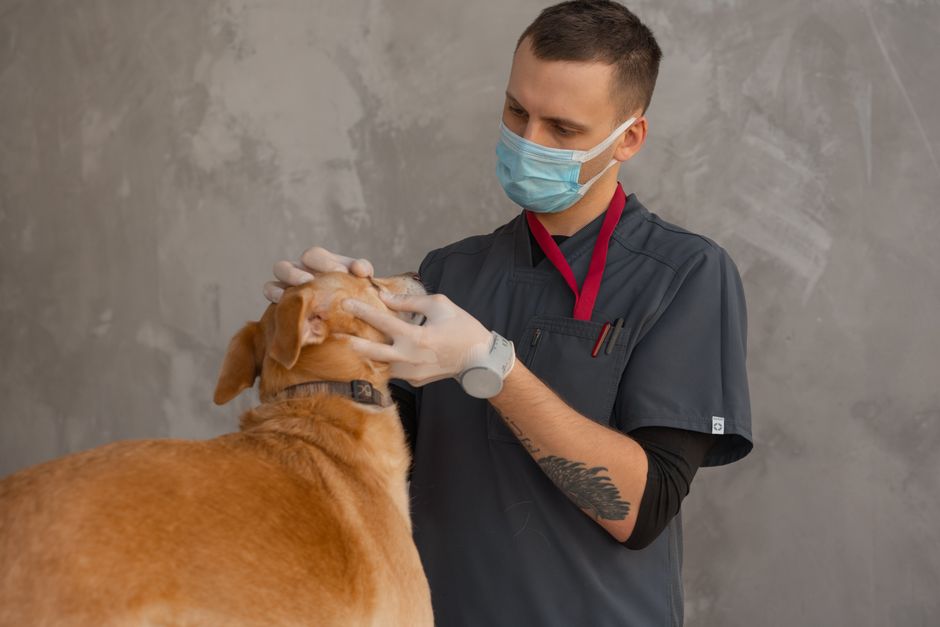
A thorough ophthalmic examination often includes tonometry to assess eye pressure, Schirmer tear testing to evaluate tear production, and fluorescein staining to detect corneal ulcers. For more complex cases, ocular ultrasound and ERG testing provide detailed information about the internal structures and function of the eye.
Surgical and Medical Treatments
Treatment approaches are tailored to the diagnosis and species. For corneal injuries or ulcers, prompt medical therapy with antibiotics, antifungals, or anti-inflammatories is critical. In severe cases, surgical intervention may be necessary—such as specialized corneal trauma and ulcer surgery to repair damage and promote healing.
For animals diagnosed with cataracts, surgical removal of the affected lens through cataract surgery can often restore useful vision. Glaucoma may require a combination of medications and advanced procedures, including laser surgery, to relieve pressure and save sight.
Eyelid disorders are addressed through precise surgical correction. This helps prevent chronic irritation, corneal scarring, and secondary infections. For animals with dry eye, ongoing management with tear-stimulating medications or other therapies can significantly improve comfort and quality of life.
Our veterinary ophthalmology team works closely with owners to ensure every animal receives the most appropriate and up-to-date care.
Supporting Eye Health at Home and on the Farm
While not all eye diseases can be prevented, there are practical steps you can take to reduce risk and support your animal’s ocular health.
For Companion Animals
Keep your dog or cat’s eyes clean by gently wiping away any discharge with a soft, damp cloth. Prevent injuries by trimming sharp plants and supervising playtime, especially in multi-pet households. Regularly check your animal’s eyes for changes in color, clarity, or comfort.
For Horses
Inspect your horse’s eyes daily, especially during dusty or windy weather in Homestead and the surrounding communities. Remove sharp objects from stalls and pastures, and provide fly protection during the summer months to minimize irritation. If you notice swelling, discharge, or cloudiness, seek professional advice promptly.
For Exotic Animals
Maintain clean enclosures with proper ventilation and minimize exposure to irritants like dust or strong cleaning chemicals. Monitor your animal for subtle signs of discomfort, as many exotic species hide illness until it becomes severe.
Across all species, routine veterinary checkups—including an annual or biannual ocular exam—are crucial for catching problems early and preserving vision.
When to Seek Out a Veterinary Ophthalmologist
Some eye symptoms require immediate professional attention to prevent permanent damage. Seek veterinary care without delay if you notice sudden vision loss, severe pain (such as vocalizing or refusing to open the eye), profuse discharge, visible injury, or a rapidly changing appearance of the eye.
For chronic or subtle changes, it is still wise to consult with a veterinary ophthalmologist, especially if your animal’s vision, comfort, or performance is affected. Timely intervention is essential for conditions like glaucoma, corneal ulcers, or cataracts. If your general veterinary practitioner recommends referral, our team at Veterinary Specialists is equipped to provide the advanced diagnostics and surgical options needed.
For urgent cases, our emergency veterinary care services ensure your animal receives prompt attention when it matters most.
Protecting Animal Vision in Homestead: Your Trusted Local Resource
Eye health is too important to leave to chance. Early recognition and intervention can make all the difference in preserving vision and comfort for your dog, cat, horse, or exotic animal. Veterinary Specialists is proud to serve Homestead and surrounding communities with specialized ophthalmic care, from advanced diagnostics to surgical solutions for complex eye diseases.
If you have noticed any of the signs discussed above, or if you simply want peace of mind about your animal’s vision, our team of veterinary specialists is here to help. Schedule an appointment for a complete ocular exam or call us at (305) 246-1701 to discuss your concerns. When searching for an ophthalmology vet near me, trust the expertise and compassion of Veterinary Specialists to protect your animal’s sight.
Our commitment is to every animal’s wellbeing, from household companions to horses and exotics. Let us help you safeguard their vision for years to come.
Disclaimer: The information provided in this blog is for educational purposes only and does not replace professional veterinary care. If your animal is experiencing eye issues, consult with a veterinary ophthalmologist promptly.