Preventing Eye Injuries in Horses and Pets During Fall Activities
Preventing Eye Injuries in Horses and Pets During Fall Activities
Autumn in Homestead, FL brings cooler weather and a flurry of outdoor activities for animals and their owners. Whether you are taking your dog for longer walks, letting your cat explore the backyard, or spending more time riding and caring for your horse, fall adventures can expose animals to new eye health risks. At Veterinary Specialists in 91 NE 6th St, Homestead, FL 33030, our ophthalmology-focused veterinary team understands how important it is to protect vision and prevent eye injuries during this busy season. This guide will help pet owners and horse owners in Homestead and surrounding communities recognize the hazards of fall, spot early signs of eye trouble, and know when to seek expert help for their animals. We will also explain how our specialty services, from advanced diagnostics to treatment for corneal injuries and ulcers, keep your animals’ eyes healthy all year long.
Spotting Early Signs of Eye Injuries in Dogs, Cats, and Horses
Recognizing the signs of an eye problem early can make a critical difference in your animal’s comfort and outcome. In small animals like dogs and cats, watch for symptoms such as squinting, frequent pawing at the face, excessive tearing, redness, cloudiness, or any discharge from the eyes. If you notice your pet keeping one eye closed, bumping into objects, or avoiding light, these behaviors may signal pain or vision changes.
Horse owners should pay close attention to their horse’s behavior around the barn, pasture, or arena. Horses with eye injuries may exhibit head shaking, increased blinking, eye tearing, swelling of the eyelids, or visible cloudiness on the surface of the eye. Sometimes, your horse may avoid being bridled or resist handling on one side, which could point to discomfort or impaired vision.
For all species, any evidence of blood, sudden swelling, or marked changes in eye appearance should be treated as urgent. Animals with eye injuries often attempt to rub or scratch the area, leading to further trauma. Rapid intervention is key to preventing long-term complications, especially in cases of corneal ulceration or foreign body penetration.
Common Fall Hazards That Threaten Animal Eye Health
Fall activities can expose animals to unique risks for eye injuries. For dogs and cats, increased outdoor time means higher chances of encounters with plant material such as seeds, burrs, and sticks, which can scratch or puncture the delicate surface of the eye. Dust and debris kicked up during yard clean-up, leaf raking, or windy days may also cause irritation or introduce bacteria.
Horses face particular eye threats during fall as well. Moving between pastures, exposure to dried grasses, and riding on wooded trails raise the risk of trauma from branches, thorns, or hay. The seasonal increase in barn chores may stir up dust and bedding particles, which can become trapped under eyelids or cause conjunctival irritation. Additionally, group turnout during cooler weather can lead to playful or aggressive interactions, resulting in accidental kicks or head bumps that may injure the eye or eyelid.
Exotic species, such as rabbits or birds, can also be vulnerable during fall when outdoor enclosures are cleaned or new bedding is introduced, as small particles can easily become lodged in their eyes.
Advanced Veterinary Treatment for Eye Injuries at Veterinary Specialists
When an animal suffers an eye injury, prompt and specialized care is essential to prevent vision loss and minimize complications. At Veterinary Specialists in Homestead, our team of veterinary ophthalmologists provides state-of-the-art diagnostics and surgical solutions tailored to each species.
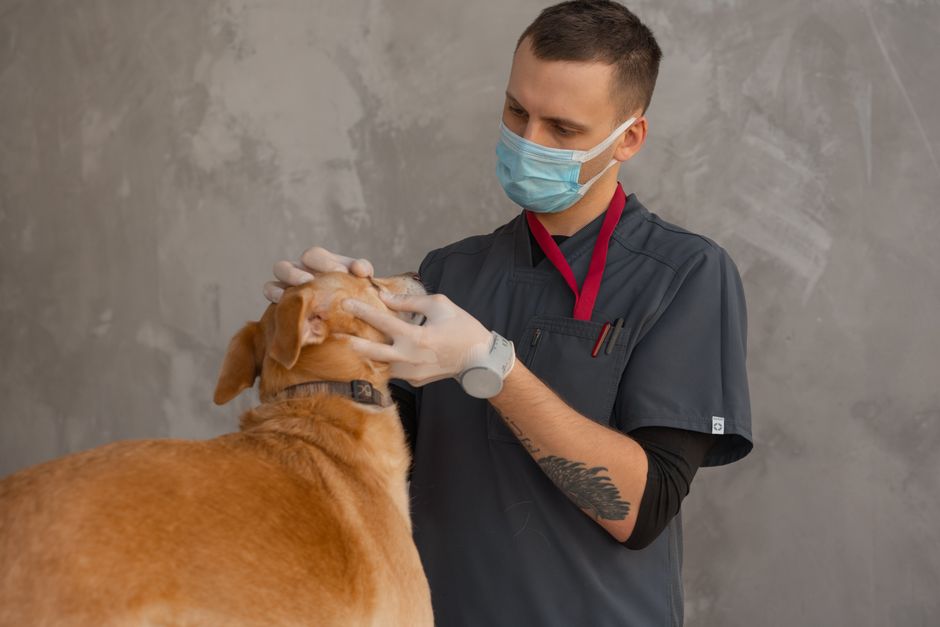
A comprehensive ocular examination is the foundation of diagnosis. This may include tonometry to measure eye pressure, Schirmer tear testing to assess tear production in dogs and cats, and fluorescein eye staining to detect corneal scratches or ulcers. For horses, we also evaluate for uveitis, corneal edema, or foreign bodies with specialized equipment. You can learn more about what to expect during a complete ocular examination on our website.
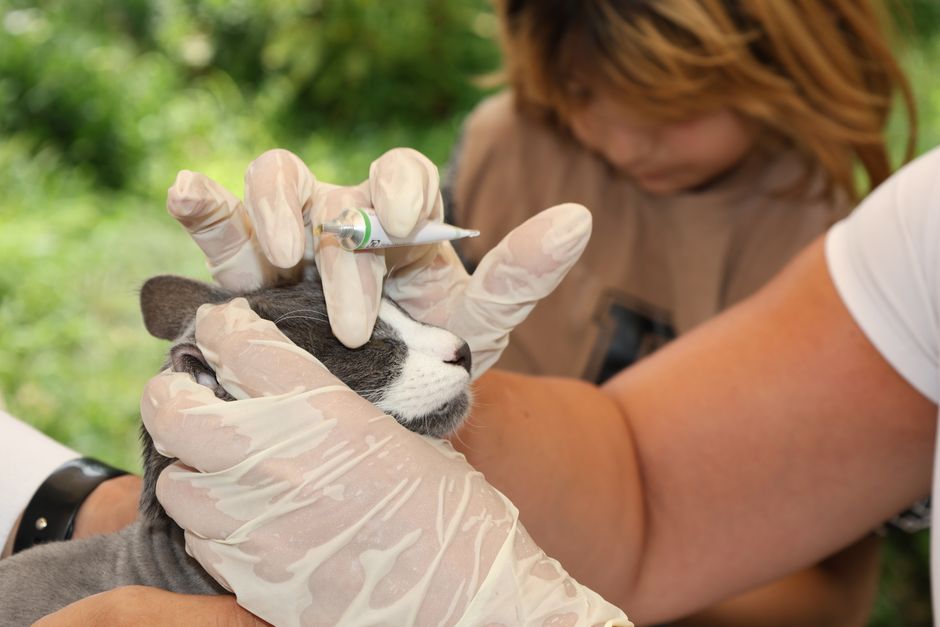
Treatment for eye injuries varies depending on severity and the structures involved. Minor corneal abrasions may be managed with topical antibiotics and pain relief, but more serious conditions like deep ulcers, eyelid lacerations, or foreign body penetrations often require advanced interventions. Our specialty services include surgical repair of corneal trauma, removal of foreign material, eyelid reconstruction, and even advanced procedures such as cryotherapy for certain ocular tumors.
For animals diagnosed with corneal ulcers, rapid intervention is crucial to prevent infection and further deterioration. Our corneal trauma and ulcer surgery services are designed to restore comfort and preserve vision across species. Horses with eyelid defects or lacerations may need specialized eyelid surgery, which we perform using precise techniques to maintain normal blinking function and protect the eye’s surface.
Our team also offers emergency veterinary care for urgent cases. If your animal experiences sudden vision loss, severe swelling, or a visible wound to the eye, seeking immediate attention is vital to maximize the chance of a successful outcome.
Practical Ways to Prevent Eye Injuries During Fall Activities
While not all accidents can be avoided, pet owners and horse owners can take several steps to minimize the risk of eye injuries during fall. For dogs and cats, supervising outdoor time and inspecting play areas for sharp objects or thorny plants can help. Regularly trimming shrubs and removing sticks or debris from the yard reduces the chance of accidental pokes or scratches. After yard work or windy days, gently check your animal’s eyes for debris or signs of irritation.
For horses, walk through pastures and riding areas to identify and remove low-hanging branches, wire fencing, or sharp objects. Ensuring that hay and bedding are dust-free and replacing them regularly can help prevent irritation. When turning horses out in groups, monitor for rough play or dominance behaviors that could lead to kicks or bites near the head. During grooming and tacking up, inspect your horse’s eyes and eyelids for swelling, discharge, or changes in color, as catching early signs of trouble can prevent escalation.
For all animals, keeping up with regular veterinary eye exams is crucial, especially if your animal has a history of eye problems or is prone to allergies. Specialty eye care teams like ours can identify subtle changes before they become serious issues and provide guidance tailored to your animal’s environment and lifestyle.
When to Seek Veterinary Eye Care: Knowing the Right Time
Understanding when to seek professional help is crucial for safeguarding your animal’s vision. If you notice persistent redness, swelling, discharge, or your animal is squinting or rubbing at the eye, it is time to consult a veterinary ophthalmologist. Immediate care is necessary if you observe a visible wound, blood, a cloudy or blue appearance to the eye, or sudden vision loss.
For horses, signs such as excessive tearing, eyelid swelling, or reluctance to be handled on one side should prompt a call to the veterinary team. In any species, untreated eye injuries can progress rapidly, resulting in chronic pain or permanent vision impairment. Specialty practices like Veterinary Specialists have the expertise and equipment to manage complex eye injuries and surgical cases, often in collaboration with your primary veterinarian.
If your animal’s condition is urgent or you are uncertain about the severity of the injury, do not wait for symptoms to worsen. Our emergency veterinary care is available during regular business hours to provide immediate attention for critical eye problems.
Supporting Vision Health for Every Animal in Homestead and Beyond
Protecting animal eyesight during the busy fall season requires vigilance, preventive care, and access to advanced veterinary services. At Veterinary Specialists in Homestead, FL, our veterinarians are committed to helping pet owners and horse owners recognize risks, respond quickly to injuries, and preserve vision for animals of all kinds. If you have questions about your dog, cat, horse, or exotic animal’s eye health, or if you need to schedule a specialty exam following an injury, our team is here to help.
When you search for a veterinary ophthalmology vet near me, know that expert care and advanced treatment options are right here in Homestead. Contact Veterinary Specialists at (305) 246-1701 or visit us at 91 NE 6th St, Homestead, FL 33030 to learn more about our corneal surgery, eyelid procedures, and complete ocular exams designed to keep your animals’ eyes healthy throughout the year. For more information on eye injury prevention and specialty care, reach out to our veterinary team today. Your animal’s vision is our priority—trust us to be your local authority for advanced eye care in Homestead and surrounding areas.