How Rainy Season Affects Animal Eye Health in Homestead
How Rainy Season Affects Animal Eye Health in Homestead
Living in Homestead, Florida, with its lush landscapes and subtropical climate, means frequent rains and high humidity—especially during October’s lingering wet season. While these conditions bring relief from the summer heat, they also introduce unique risks for the eyes of dogs, cats, horses, and exotic animals. Whether you are a pet owner concerned about your dog’s squinting, an equestrian noticing excess tearing in your horse, or you care for exotic species that seem sensitive to changing weather, understanding how moisture, allergens, and debris can impact animal vision is essential. At Veterinary Specialists, located at 91 NE 6th St, Homestead, FL 33030, our dedicated veterinary ophthalmology team is committed to providing advanced diagnostics and surgical care to protect the sight of animals across Homestead and surrounding communities. In this blog, we will explore how rainy season conditions affect animal eye health, signs of trouble to watch for in different species, and how our specialists can help safeguard your animal’s vision.
Recognizing Eye Problems During the Rainy Season
Moisture and humidity can create the perfect environment for certain eye problems to develop or worsen. For dogs and cats, symptoms to watch for include redness, squinting, excessive tearing, discharge that is clear or colored, and rubbing or pawing at the face. Horses may show signs such as swollen eyelids, cloudiness, increased tearing, or sensitivity to light—these are particularly noticeable after heavy rainfall or when pasture conditions are muddy. Exotic animals, depending on the species, might exhibit subtle changes such as decreased activity, keeping eyes closed, or visible swelling around the eye. In all animals, sudden changes in eye appearance or behavior should be taken seriously, as early intervention often prevents more severe complications.
Why Does Rainy Weather Affect Animal Eyes?
Understanding why rainy conditions can lead to eye issues requires looking at several contributing factors. In Homestead’s climate, frequent rain brings higher levels of environmental allergens like mold spores and pollen. These particles become airborne and can easily irritate the delicate tissues of the eye, leading to conditions such as conjunctivitis. Standing water and muddy environments are breeding grounds for bacteria and fungi; when animals graze, play, or roll outdoors, they are more likely to get debris or infectious agents in their eyes. For horses, wind-driven rain can carry fine particles that scratch the cornea, while for dogs and cats, puddles and wet grass increase the risk of foreign bodies entering the eye.
Additionally, the rainy season often coincides with increased insect activity. Flies and gnats are drawn to watery or muddy areas and may congregate around the eyes of horses and livestock, causing irritation and sometimes transmitting pathogens that trigger infections. Exotic animals housed in outdoor enclosures or aviaries may also be at higher risk due to fluctuating humidity and exposure to environmental contaminants.
Advanced Veterinary Eye Care: What Treatment and Management Involve
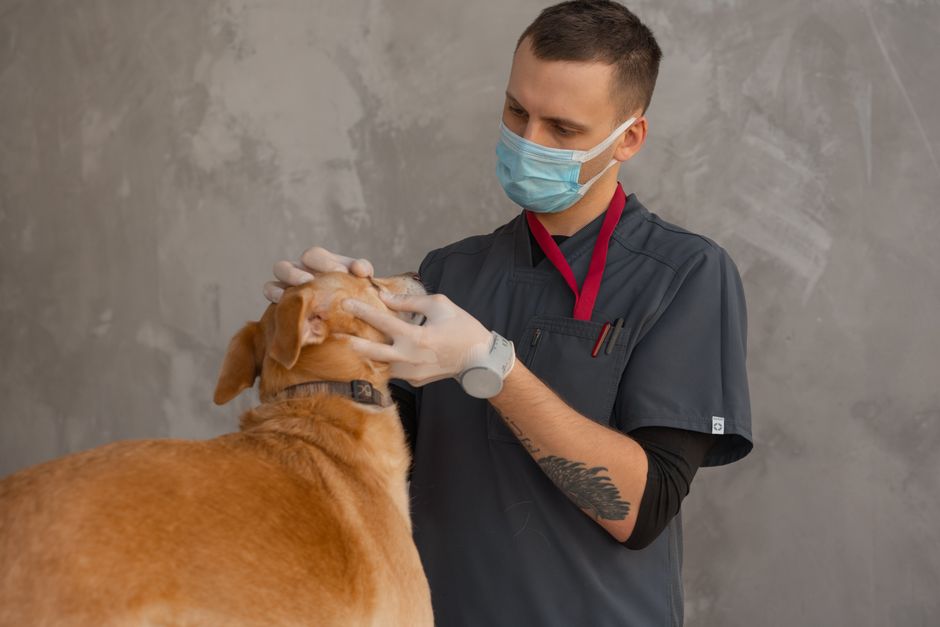
At Veterinary Specialists, our board-certified veterinary ophthalmologist offers a comprehensive approach to diagnosing and treating eye diseases in all species. When an animal presents with eye discomfort, our process often begins with a complete ocular exam tailored to the species and specific symptoms. This includes specialized tests such as tonometry to check for glaucoma, Schirmer tear testing to evaluate tear production, and fluorescein staining to detect corneal ulcers or scratches.
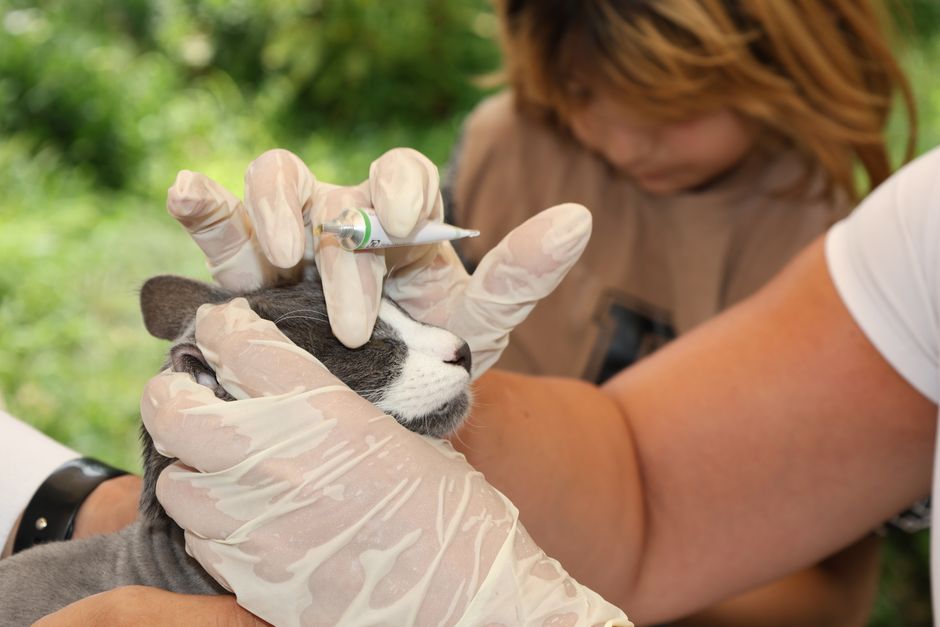
If infection or allergy is suspected, our team may recommend allergy testing to identify environmental triggers or underlying sensitivities. For cases involving corneal ulcers, trauma, or severe irritation, we provide advanced surgical and medical therapies, including microsurgical repair, cryotherapy, and topical medications designed for animal use. Horses with corneal ulcers, for example, may benefit from specialized bandage contact lenses or subpalpebral lavage systems that allow for safe and effective medication delivery.
In the event of an urgent or rapidly worsening eye condition, our practice is equipped to provide emergency surgical intervention to preserve vision and relieve pain. For ongoing or chronic cases, we work closely with primary care veterinarians to ensure animals receive the best possible outcome, whether that means cataract surgery, eyelid reconstruction, or long-term management for dry eye or allergic conjunctivitis.
Prevention and Home Care Strategies for the Rainy Season
Helping your animal avoid eye problems during the wet months starts with a few practical steps adapted to each species’ needs. For dogs and cats, wiping the face gently after outdoor walks and keeping fur around the eyes trimmed can help reduce the risk of debris entering the eye. Monitor for any signs of discomfort or discharge, and avoid allowing pets to drink from or play in standing water, as this can harbor bacteria.
Horse owners and equestrians should regularly inspect the eyes of their horses, especially after turnout in damp or muddy pastures. Keeping stalls and shelters clean and dry can minimize exposure to dust, mold, and insects. Using fly masks during peak insect activity and ensuring pastures are free from sharp objects or branches reduces the risk of trauma.
For exotic species, maintaining proper humidity and cleanliness in enclosures is essential. If outdoor housing is used, ensure that drainage is adequate and that animals have access to shelter during heavy rain. Observe for subtle changes in behavior or eye appearance, as many exotic animals hide signs of illness until conditions are advanced.
Regular veterinary checkups—especially during the rainy season—allow for early detection and intervention. If your animal is prone to allergies or recurrent eye issues, periodic dry eye assessment or allergy screening can provide valuable insights and guide preventive care.
When to Seek Veterinary Ophthalmology Care
Prompt veterinary attention can make all the difference when it comes to preserving your animal’s sight. Owners and equestrians should always seek immediate care if their animal displays symptoms such as sudden vision loss, severe pain (shown by constant squinting or keeping the eye closed), marked cloudiness, or bleeding from the eye. For horses, any sign of corneal ulceration or non-healing wounds should be addressed urgently, as delays can result in rapid deterioration.
If you notice persistent redness, recurrent discharge, or changes in the shape or size of your animal’s pupil, schedule an appointment with a veterinary ophthalmologist as soon as possible. Our team at Veterinary Specialists is equipped to provide specialized care for complex eye conditions, from acute injuries to chronic diseases affecting vision. For urgent situations, we also offer emergency veterinary care to address sudden or severe eye problems and help prevent lasting damage.
Protecting Animal Vision Throughout Homestead’s Rainy Season
October’s rain and humidity may be a fact of life in Homestead, but with vigilant observation, preventive care, and access to advanced veterinary ophthalmology, you can help ensure that your dogs, cats, horses, and exotic animals maintain healthy vision year-round. Our compassionate team at Veterinary Specialists, serving Homestead and surrounding communities, is ready to support you with everything from routine ocular exams to emergency surgical intervention.
If you are searching for a specialty vet near me for advanced eye care or need expert guidance on managing eye problems during the rainy season, our veterinary ophthalmology team is here to help. Contact Veterinary Specialists at (305) 246-1701 to schedule a consultation or learn more about our comprehensive eye care services. Protect your animal’s vision—reach out today and trust our experienced professionals to deliver the highest standard of ophthalmic care, whatever the weather brings.
This blog is intended for informational purposes only and does not replace professional veterinary advice. Always consult your veterinarian or a board-certified veterinary ophthalmologist for specific concerns about your animal’s eye health.