How Florida’s Humid Climate Affects Animal Eyes
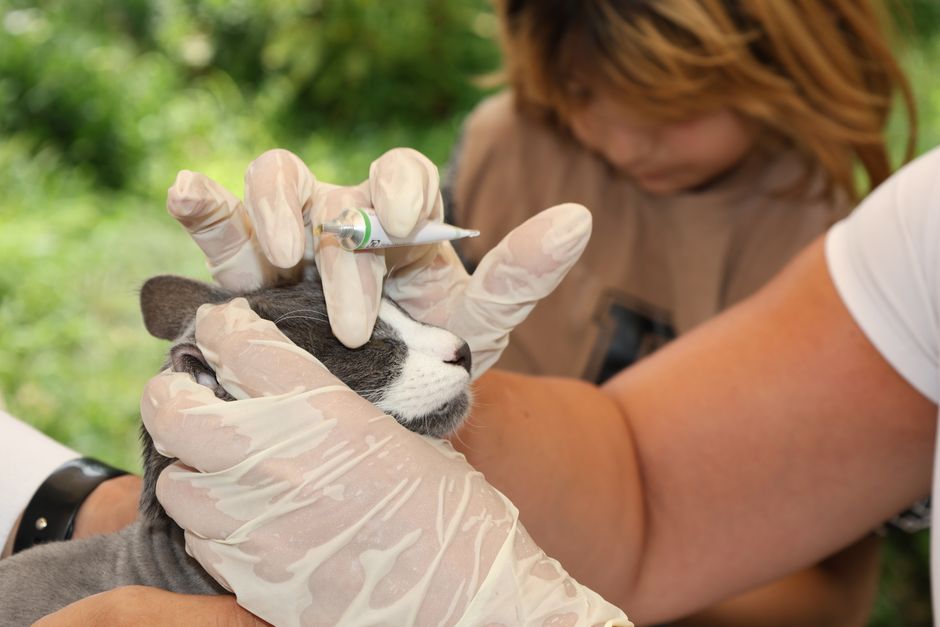
How Florida’s Humid Climate Affects Animal Eyes
Florida’s September heat and humidity are well known to anyone who cares for animals in Homestead and surrounding communities. For dog and cat owners, horse owners, and those caring for exotic species, the tropical climate brings its own set of challenges—especially when it comes to eye health. At Veterinary Specialists, our team of veterinary ophthalmology experts at 91 NE 6th St, Homestead, FL 33030 understands how environmental factors unique to South Florida can impact your animal’s vision and comfort. In this blog, we’ll explore how humidity and heat contribute to common eye problems in dogs, cats, horses, and exotic animals. You’ll learn which symptoms to watch for, why these issues develop, what advanced care options are available, and when to seek the expertise of a veterinary eye specialist. Whether your concerns revolve around a squinting barn cat, a valued show horse, or an exotic bird with irritated eyes, our goal is to help you protect your animal’s ocular health year-round.
Recognizing Eye Problems: Signs Your Animal Is Affected
Florida’s climate can make certain eye conditions more likely to surface or worsen. Knowing the signs of trouble is the first step in protecting your animal’s vision. For dogs and cats, you may notice symptoms such as excessive tearing, redness, pawing at the face, squinting, or a cloudy appearance to the eye. Discharge that is yellow or green, as well as frequent blinking or holding the eye closed, are also warning signs. Horses often show discomfort by rubbing their eyes against their legs, fences, or stall doors; you may see eyelid swelling, increased tearing, or even cloudiness in the cornea. In barn environments, flies and dust can further aggravate sensitive equine eyes, especially after heavy rains or during periods of high humidity. For exotic animals, such as rabbits, birds, or reptiles, owners may see swelling, crusting around the eyelids, or a reluctance to open the eyes fully. Across all species, changes in behavior—such as reluctance to move in bright light or avoiding certain areas—can indicate vision problems.
Key symptoms to watch for are not limited to obvious discomfort. Subtle changes, like decreased performance in horses, a drop in appetite in exotics, or a dog hesitating at stairs, can signal underlying eye issues. Prompt recognition and professional evaluation help prevent minor problems from progressing to serious conditions.
Why Florida’s Climate Puts Animal Eyes at Risk
The combination of high heat and humidity in South Florida creates a perfect environment for certain eye diseases to develop or worsen. Moisture in the air allows bacteria and fungi to thrive, making infections more common. For dogs, especially those with prominent eyes or short noses, humid weather can promote tear film instability and lead to conditions like dry eye or conjunctivitis. Cats, particularly outdoor or barn cats, are prone to viral and bacterial infections that spread easily in damp environments.
Horses face additional risks when pastures become muddy and flies are abundant. Flies can spread infectious agents and cause mechanical irritation, which increases the chance of corneal ulcers or conjunctivitis. Extended periods of high humidity can also foster the growth of molds and pollens, which trigger allergic reactions and eye irritation in sensitive horses.
Exotic species often require carefully controlled environments, but even small shifts in ambient humidity can stress their delicate ocular tissues. Birds, for instance, may suffer from sinus infections that present as eye swelling during the rainy season, while reptiles can develop retained eye caps or conjunctivitis if humidity is not properly managed.
Allergens, whether plant-based or environmental, are more prevalent in warm, humid climates. Allergic conjunctivitis is a frequent complaint, with symptoms that mimic or overlap with infectious causes. Recognizing the interplay between Florida’s unique climate and your animal’s risk factors is critical for prevention and timely intervention.
Advanced Veterinary Ophthalmology: Treatment Options at Veterinary Specialists
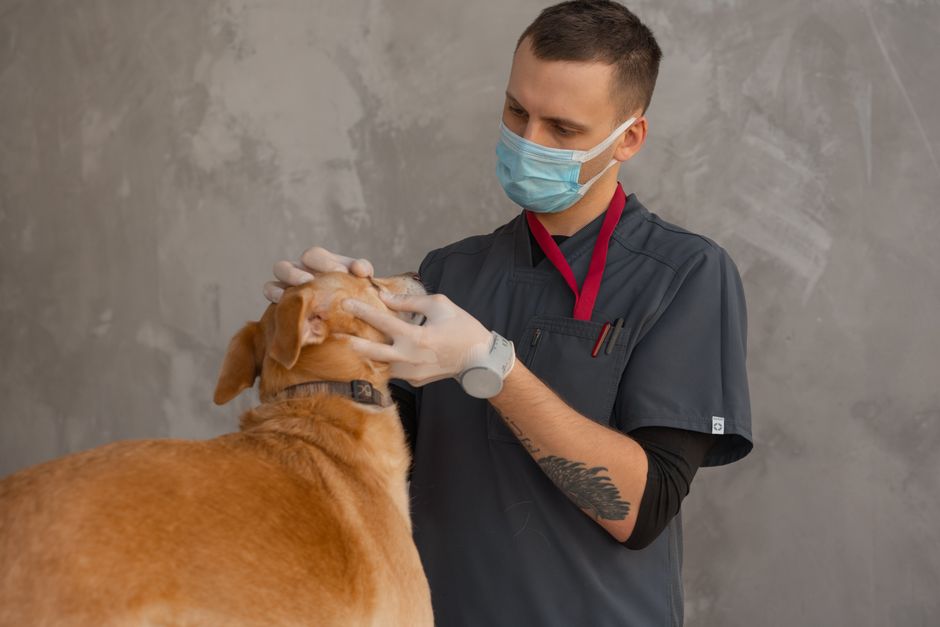
When eye problems arise, timely and specialized intervention can make all the difference in preserving vision and comfort. At Veterinary Specialists, our team provides advanced diagnostics and surgical management exclusively within the field of veterinary ophthalmology. For animals experiencing persistent tearing, squinting, or signs of pain, a thorough evaluation is the first step. This may include a complete veterinary eye examination with tonometry to measure eye pressure, Schirmer tear tests to assess tear production, and fluorescein staining to detect corneal ulcers.
If infection or inflammation is suspected, we may recommend additional diagnostic work such as allergy testing to identify environmental triggers contributing to chronic eye irritation. For cases involving corneal injury or ulceration—common in horses exposed to pasture hazards or dogs with prominent eyes—our specialists offer corneal trauma and ulcer surgery using advanced microsurgical techniques and therapeutics designed for each species.
Glaucoma, which can be exacerbated by chronic inflammation or genetic predisposition, is addressed through precise pressure monitoring and, when necessary, glaucoma surgery and therapies that protect vision and relieve discomfort. For animals suffering from tear-film deficiencies linked to climate, specialized dry eye assessment helps guide therapy to restore eye surface health.
In all cases, our focus remains on minimally invasive approaches with the goal of rapid recovery, pain relief, and preservation of sight. Throughout the treatment process, we collaborate with referring veterinarians and tailor recommendations to the specific needs of each species—whether canine, feline, equine, or exotic.
Prevention and Eye Care: Steps for All Species in South Florida
Proactive management is key to reducing the risk of climate-related eye disease in Homestead. For dogs and cats, keeping the face clean and free from discharge, as well as regular wiping of the area around the eyes after outdoor activity, can help limit irritation. Avoiding exposure to long grass, garden chemicals, or lawn debris during the wet season also decreases the likelihood of trauma or infection.
Horse owners can minimize risk by maintaining clean stall and pasture conditions and implementing fly control measures, especially during the height of the rainy season. Routine checks for eye discharge, swelling, or behavioral changes are essential, as early detection leads to better outcomes. Providing shaded areas and reducing dust in barns further protects equine eyes from environmental stressors.
Exotic animal caretakers should monitor enclosure humidity and cleanliness closely, using appropriate substrates and environmental controls to avoid sudden shifts that could impact delicate ocular tissues. Regular observation for any signs of swelling, discharge, or behavioral changes is particularly important in sensitive species.
For all animals, scheduling routine eye evaluations with a veterinary ophthalmologist is the most effective way to catch subtle changes before they become significant problems. Our team at Veterinary Specialists can help you develop a tailored preventive plan based on your animal’s species, breed, activity level, and exposure to environmental risks.
When to Seek Specialty Veterinary Eye Care
While minor eye irritation can sometimes be managed at home with improved hygiene or environmental adjustments, there are clear situations when professional evaluation is required. Seek specialty care if you notice persistent redness, swelling, discharge that does not resolve, cloudiness of the eye, or signs of pain such as constant squinting or rubbing. Sudden changes in vision—such as bumping into objects, hesitation on stairs, or reluctance to move in bright light—always warrant immediate attention.
For horses, any signs of corneal cloudiness, excessive tearing, reluctance to open an eye, or visible ulcers should prompt a call to our veterinary ophthalmology team. These symptoms can deteriorate rapidly, especially in Florida’s humid climate, leading to complications if untreated.
Exotic animals, due to their unique anatomy and susceptibility to environmental changes, should be seen promptly if they develop eye swelling, crusting, or changes in appearance that persist beyond a day or two.
If you are ever in doubt or if your animal’s condition worsens, our emergency veterinary care services are available during regular hours to provide prompt evaluation and intervention. Remember that timely treatment is essential for the preservation of vision and comfort, regardless of species.
Your Local Resource for Specialty Animal Eye Care in Homestead
South Florida’s heat and humidity pose unique challenges to eye health in dogs, cats, horses, and exotic animals alike. With prompt recognition of symptoms, attentive preventive care, and access to advanced veterinary ophthalmology services, you can help safeguard your animal’s vision in every season. At Veterinary Specialists, our Homestead-based team is dedicated to providing comprehensive eye care customized to each species and situation. If you are searching for a trusted "ophthalmology vet near me" or need guidance about a specific eye concern, we invite you to reach out to our veterinary professionals.
To schedule a consultation or discuss your animal’s eye health, contact our team at (305) 246-1701 or visit us at 91 NE 6th St, Homestead, FL 33030. Our specialists are here to work with you and your referring veterinarian, ensuring your animal receives the highest standard of care. Whether your concerns involve a family dog, a performance horse, or a rare exotic species, trust Veterinary Specialists to be your local resource for advanced animal eye health in Homestead and the surrounding communities.