Protecting Your Animal’s Eyes: Eye Care Tips for Rainy Florida
Protecting Your Animal’s Eyes: Eye Care Tips for Rainy Florida
South Florida’s tropical climate brings lush landscapes, but it also presents unique challenges for animal eye health. Whether you care for dogs, cats, horses, or even exotic species, the region’s frequent rain, high humidity, and storms create conditions that can leave animal eyes vulnerable to irritation, infection, or injury. At Veterinary Specialists, located at 91 NE 6th St, Homestead, FL 33030, our team of veterinary ophthalmologists understands the specific risks that Florida’s rainy season poses for your animals. This blog will guide you through the warning signs of eye trouble, explain how local weather conditions can impact vision, outline advanced treatment options, and provide preventive tips to help you protect your animal’s eyesight—whether you live in Homestead or the surrounding communities.
Recognizing Eye Problems in Dogs, Cats, Horses, and Exotics
Caring for your animal’s vision starts with knowing what to look for. South Florida’s stormy, damp weather can lead to a variety of eye problems across species. Dogs and cats may begin to squint, paw at their faces, develop redness or swelling, or show a sudden increase in tear production. In horses, cloudiness, excessive tearing, sensitivity to light, or discharge around the eye are all key signs that something may be wrong. Exotic animals such as rabbits, birds, or reptiles can also exhibit subtle behaviors like rubbing their eyes on enclosure furnishings or keeping one eye closed for prolonged periods.
It is important to watch for changes such as a bluish or white film over the eye, sudden cloudiness, visible scratches, or green or yellow discharge. In horses, you may also notice reluctance to work, trouble navigating familiar areas, or head shaking, especially after a heavy rain or during periods of high humidity. For all species, persistent squinting, a sudden aversion to light, or the appearance of growths or lumps near the eyelid should prompt a closer examination by a veterinary professional.
How Florida’s Rainy Season Affects Animal Eye Health
Florida’s rainy season, typically spanning late spring through fall, is marked by heavy downpours, high humidity, and occasional tropical storms. These conditions can affect animal eye health in several ways. For dogs and cats, increased moisture and standing water can foster the growth of bacteria, fungi, and allergens that irritate the eyes. Pollen, mold, and dust may also increase, especially after rainfall, triggering allergic reactions that lead to redness, itching, and watery eyes.
Horses that spend time in turnout pastures face additional risks. Wet grass, mud, and flying debris stirred up by storms can result in corneal scratches or introduce infectious agents. Stabled horses may be exposed to increased ammonia from wet bedding, which can further irritate their eyes. Horses are particularly susceptible to conditions such as recurrent uveitis, also known as “moon blindness,” which can flare up with environmental stress and changes in humidity.
Exotic animals, from parrots to reptiles, often require precise humidity control in their enclosures. Excess ambient moisture during Florida’s rainy months can disrupt this balance, leading to secondary eye infections or exacerbating underlying health problems.
Advanced Veterinary Eye Care Treatments in Homestead
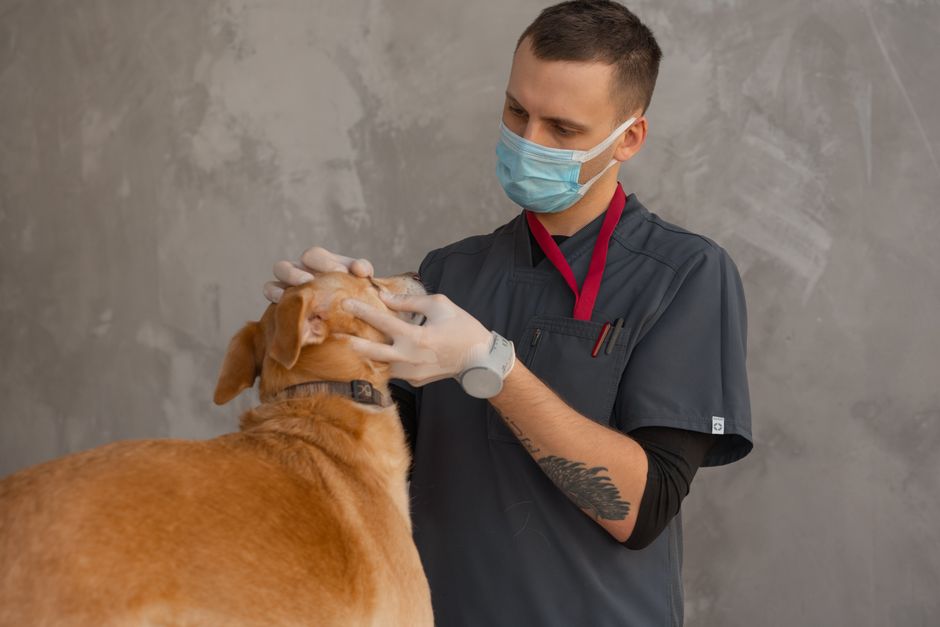
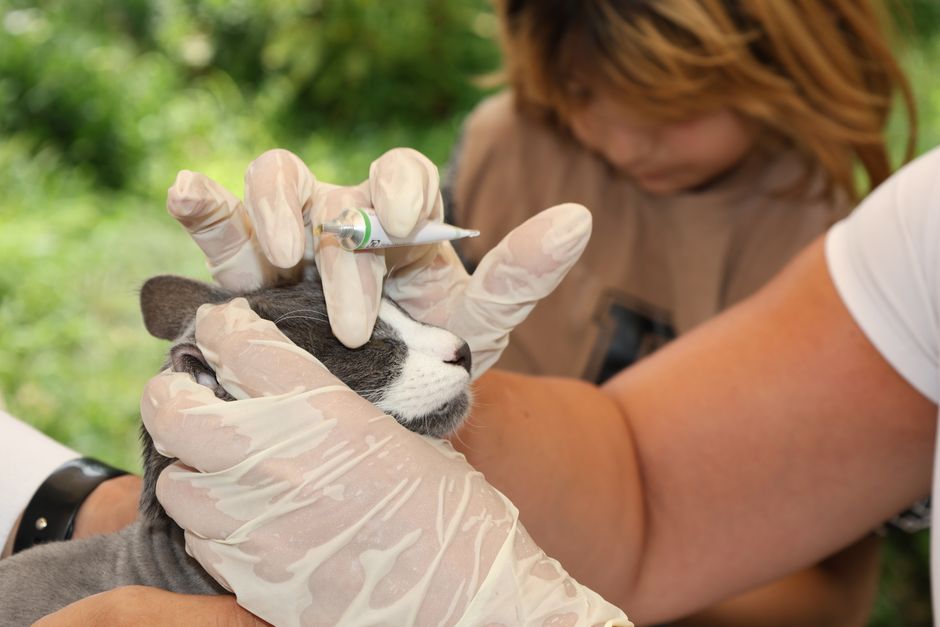
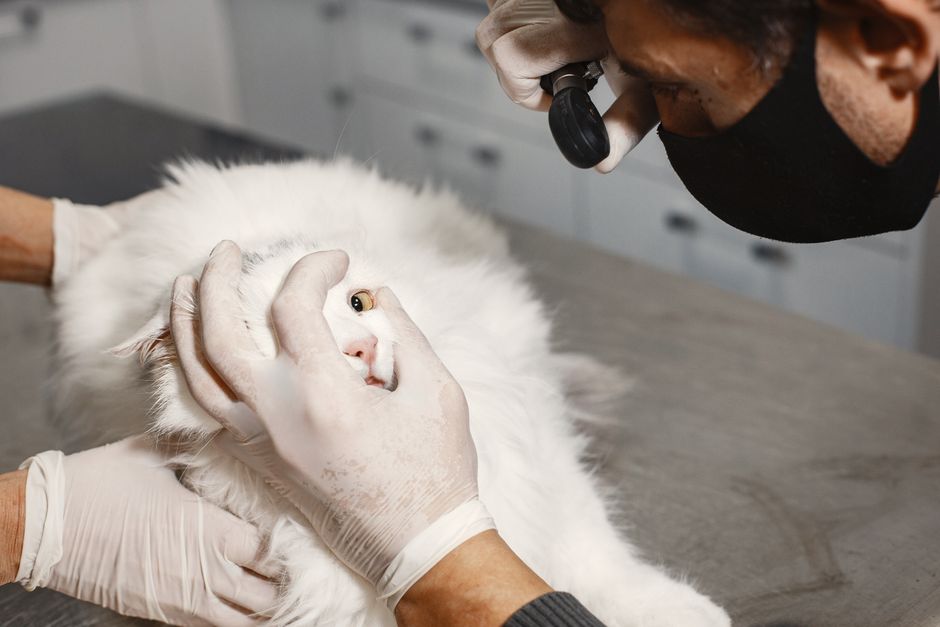
When your animal develops an eye problem, timely intervention is crucial to preserving vision and comfort. Veterinary Specialists in Homestead is equipped with advanced diagnostic and surgical options tailored to each species’ unique needs. For dogs and cats, our veterinary ophthalmologists can perform detailed ocular examinations, including tonometry to assess eye pressure, Schirmer tear testing for dry eye, and fluorescein staining to detect corneal ulcers. If your animal is experiencing persistent dryness or irritation, our dry eye assessment services can help identify the underlying cause and guide targeted therapy.
Horses with corneal injuries, ulcers, or foreign bodies benefit from our specialized corneal trauma and ulcer surgery, which combines microsurgical techniques with medical management to speed healing and minimize scarring. For animals facing more complex conditions such as glaucoma or cataracts, our team offers advanced interventions including glaucoma surgery and therapies and cataract removal to restore sight and comfort when possible.
Exotic species receive tailored care based on their anatomy and environmental requirements. Our diagnostic capabilities include ocular ultrasound and ERG testing to evaluate even the most subtle changes in vision. Across all species, prompt treatment can mean the difference between a minor irritation and vision loss.
Preventing Eye Issues During the Rainy Season
While some eye problems are unavoidable, many can be prevented with attentive care adapted to Florida’s climate. For dogs and cats, regular cleaning around the eyes with a damp, clean cloth can help remove debris, pollen, and discharge. Keeping your home environment free of dust and mold, especially during humid periods, can reduce the risk of allergy-related symptoms. After outdoor walks or play, especially in wet or grassy areas, take a moment to check your animal’s eyes for any signs of irritation or injury.
Horse owners should pay close attention to stable management during rainy months. Ensuring bedding remains dry and ammonia levels are minimized reduces eye irritation. Regular pasture checks for sharp plants or debris after storms can help prevent corneal injuries. Fly masks provide an extra layer of protection against insects and airborne particles that can carry bacteria or irritants. It is also helpful to inspect your horse’s eyes daily, especially after severe weather or heavy rainfall.
For exotic animals, maintaining appropriate enclosure humidity is essential. Use hygrometers to monitor moisture levels and adjust misting or ventilation as needed. Promptly clean any organic debris or waste to prevent bacterial buildup.
Across all species, routine veterinary eye examinations remain the cornerstone of preventive care. Scheduling regular checkups allows for early detection of subtle changes, ensuring that problems are addressed before they become serious.
When to Seek Veterinary Ophthalmology Care
There are times when home monitoring or basic care is not enough. Immediate veterinary attention is needed if you notice any of the following: sudden or severe eye pain, swelling, marked redness, profuse discharge, visible injuries or foreign bodies, cloudy or bluish discoloration, or rapid changes in vision or behavior. For horses, any sign of uveitis, such as excessive tearing, squinting, or cloudiness, should be treated as an emergency due to the risk of vision loss.
If your animal’s eye symptoms persist for more than 24 hours, worsen despite home care, or if you are unsure of the cause, contact a veterinary ophthalmologist promptly. Veterinary Specialists in Homestead provides comprehensive evaluation and advanced treatment for dogs, cats, horses, and exotic animals. Our team collaborates closely with your primary veterinarian to ensure seamless referral and follow-up care.
If you are searching for a specialty vet near me in Homestead or the surrounding area, choosing a dedicated ophthalmology team ensures that your animal receives the highest standard of care for eye health concerns.
Supporting Your Animal’s Vision All Year Long
Florida’s rainy season does not have to mean ongoing worry for your animal’s eye health. By knowing the warning signs, understanding how local weather affects vision, and partnering with an experienced veterinary ophthalmology team, you can keep your animal’s vision clear and comfortable. Whether you are a pet owner, horse owner, or care for exotic species, Veterinary Specialists is committed to providing compassionate, expert eye care in Homestead and the surrounding communities.
If you notice any changes in your animal’s eyes or want to schedule a complete ocular examination, please contact our veterinary team at (305) 246-1701 or visit us at 91 NE 6th St, Homestead, FL 33030. Your animal’s comfort and vision are our priorities, and our advanced diagnostics and treatments are designed to keep them thriving—no matter what the Florida skies bring.
For more information about specialized eye care for your horse, pet, or exotic animal, explore our services or reach out to our veterinary professionals today.