Managing Corneal Ulcers in Horses and Pets After Summer Injuries
Managing Corneal Ulcers in Horses and Pets After Summer Injuries
Late summer in South Florida often brings an uptick in eye injuries for dogs, cats, horses, and even exotic animals. Whether you are a pet owner noticing your dog squinting after a run through overgrown grass, or a horse owner concerned about a cloudy spot on your gelding’s eye, understanding the risks and recognizing early signs of corneal ulcers is essential. At Veterinary Specialists, located at 91 NE 6th St, Homestead, FL 33030, our board-certified ophthalmologist and veterinary team are dedicated to providing advanced eye care, including specialized surgery and therapies, to protect the vision of your animals. In this blog, we will explore why summer injuries lead to more corneal ulcers, how to spot the problem early in both companion animals and horses, and how prompt specialty care can make all the difference as the rainy season comes to a close.
You will find information on the most common signs of corneal ulcers, why they develop during this time of year, what advanced treatment options are available, and what preventive steps can make a difference for your animal’s ocular health. We will also clarify when it’s time to seek specialty veterinary care and how our team at Veterinary Specialists can help with everything from emergency veterinary care for urgent eye injuries to comprehensive corneal, trauma, and ulcer surgery.
Recognizing Corneal Ulcers: Signs in Dogs, Cats, Horses, and Exotics
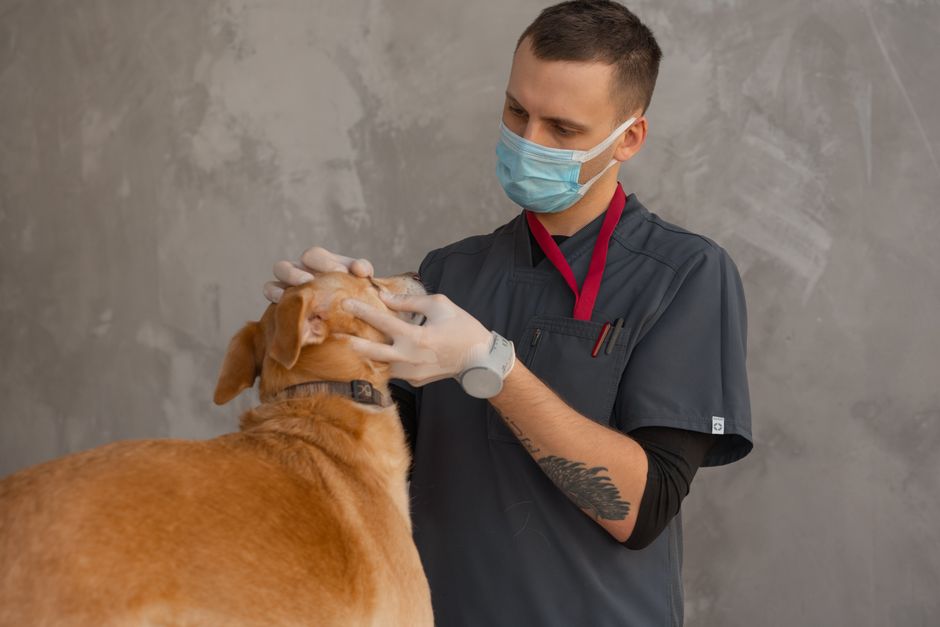
Understanding what a corneal ulcer looks like can help you act quickly when your animal’s vision is at risk. In dogs and cats, the most common symptoms include squinting, excessive tearing, pawing at the face, and noticeable redness around the eye. You might also see a cloudy or bluish area on the surface of the eye, which sometimes appears suddenly after exposure to dust, plant material, or a scratch from another animal.
For horses, corneal ulcers often present as increased blinking, tearing, or swelling around the eyelids. Owners may observe that their horse is more sensitive to light or is reluctant to open the affected eye fully, especially after being in the pasture. In some cases, a clear or yellowish discharge develops, and a cloudy spot may be visible on the cornea. Because horses are prone to rapid worsening of eye injuries, even mild signs should be taken seriously.
Exotic animals, such as rabbits, birds, or reptiles, can display more subtle symptoms. These may include swelling, discharge, a change in how the animal holds its head, or decreased appetite due to discomfort. Regardless of species, any sudden change in eye appearance or behavior warrants immediate evaluation by a veterinary professional.
Why Summer Brings More Corneal Ulcers: Seasonal Risks in South Florida
As the rainy season winds down in Homestead and surrounding communities, the combination of increased humidity, lush plant growth, and frequent outdoor activity creates an ideal environment for eye injuries. Dogs may run through fields where sharp grass seeds or thorns can scratch the surface of the eye. Cats, especially those who roam outside, are at risk of trauma from vegetation or altercations with other animals.
For horse owners, late summer can be especially challenging. Flies and other insects are abundant, and horses often rub their eyes against fences, stall doors, or their own knees in response to irritation. Additionally, dust and debris stirred up by summer storms can easily enter the eyes of horses grazing in open pastures. Even simple activities like haltering or handling can result in accidental scratches or foreign bodies entering the eye.
Exotic species kept outdoors or in aviaries may also experience more eye injuries during this season due to increased exposure to allergens, plant material, and environmental debris. These environmental factors, combined with the natural curiosity and activity levels of many animals, explain why veterinary ophthalmologists see a surge in corneal ulcers at the end of summer.
Advanced Treatment and Management: How Veterinary Specialists Protect Animal Vision
When it comes to managing corneal ulcers, prompt diagnosis and specialized treatment are crucial for saving vision and preventing complications. At Veterinary Specialists, our board-certified ophthalmologist uses advanced diagnostics such as fluorescein staining, tonometry, and ocular ultrasound to assess the extent and depth of the ulcer. Complete ocular examinations, including Schirmer tear testing, are performed to evaluate tear production and overall eye health. Learn more about these evaluations on our complete ocular exam page.
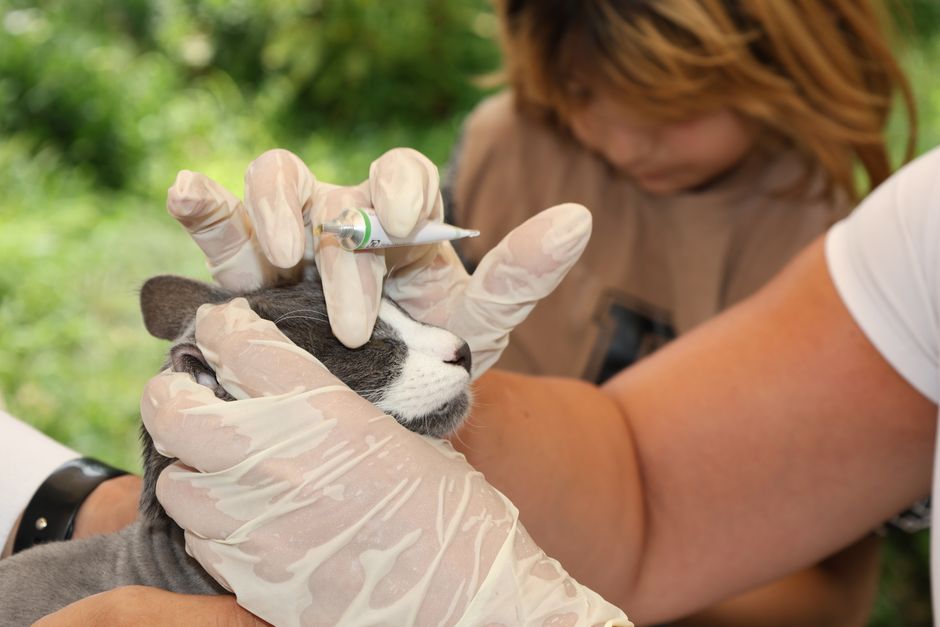
Treatment for corneal ulcers in dogs, cats, horses, and exotics is tailored to the species, the severity of the injury, and the underlying cause. For superficial ulcers, medical management may involve topical antibiotics, pain relief, and medications to support corneal healing. In some cases, special contact lenses or protective barriers help shield the eye as it recovers.
Deeper or infected ulcers often require advanced surgical intervention. Our veterinary team is equipped to perform corneal grafts, conjunctival flaps, and other microsurgical techniques to restore corneal integrity. For horses, prompt surgical management is especially important due to the risk of rapid deterioration and vision loss. In all species, untreated or improperly managed ulcers can progress to corneal rupture, scarring, or even loss of the eye.
We also address underlying issues that contribute to ulcer formation, such as eyelid abnormalities or reduced tear production. If an eyelid defect or abnormality is present, our team can provide veterinary eyelid surgery to prevent ongoing irritation. For animals with dry eye conditions, specialized therapies and regular dry eye assessments are offered to support long-term ocular health.
Prevention and Home/Barn Care: Reducing the Risk of Eye Injuries
While not all eye injuries are preventable, there are practical steps owners can take to reduce the risk of corneal ulcers in their animals. For pet owners, regular grooming and careful inspection of the face and muzzle can help catch foreign bodies or minor scratches before they escalate. Keeping lawns trimmed and avoiding high-risk areas with tall grass or thorny plants can also make a difference.
Horse owners can minimize risk by maintaining clean, well-bedded stalls and controlling fly populations with appropriate fly masks and repellents. Checking barns and paddocks for sharp objects or protrusions that could injure a horse’s eye is a valuable preventive measure. During times of increased insect activity, frequent inspection of the eyes and prompt attention to any swelling or discharge can help prevent minor injuries from becoming serious problems.
For those with exotic species, regular habitat cleaning and monitoring for environmental hazards, such as sharp perches or abrasive bedding, play an important role in preventing trauma. Providing enrichment that encourages safe, species-appropriate behaviors also reduces the likelihood of self-inflicted injuries.
When to Seek Specialty Veterinary Ophthalmology Care
Early intervention is critical when it comes to corneal ulcers. Pet owners should seek immediate specialty care if their dog or cat is squinting, pawing at the eye, or has a cloudy or red eye that does not improve within a few hours. For horse owners, any sign of eye pain, cloudiness, or abnormal discharge should prompt a call to the veterinary ophthalmologist as soon as possible. Horses, in particular, are at risk for rapid deterioration, and delays can result in irreversible vision loss.
If initial treatment by your primary veterinarian is not producing rapid improvement, or if there are signs of a deep, infected, or non-healing ulcer, referral to a specialty practice like Veterinary Specialists is strongly recommended. Our advanced diagnostics, surgical expertise, and experience with a wide range of species ensure that your animal receives the best possible care for complex eye conditions.
When searching for a veterinary ophthalmology vet near me, it is important to choose a team that has experience with your animal’s species and access to advanced technology. Our practice welcomes referrals from general veterinary practices throughout Homestead and the surrounding area, and we are always available to provide guidance on the next steps for your animal’s eye health.
Compassionate Eye Care for All Species in Homestead and Beyond
Late summer injuries can have lasting consequences on the vision and comfort of your animals, but with prompt recognition and specialty care, most corneal ulcers can be treated successfully. At Veterinary Specialists, our team is committed to protecting the eye health of dogs, cats, horses, and exotics in Homestead and surrounding communities. We offer advanced diagnostic and surgical solutions tailored to the unique needs of each animal, with a focus on compassionate care and clear communication throughout the process.
If you notice any signs of eye discomfort, cloudiness, or discharge in your animal, do not wait for the problem to worsen. Contact our veterinary team at (305) 246-1701 or visit us at 91 NE 6th St, Homestead, FL 33030 for prompt evaluation. For more information on our advanced treatment options, visit our pages on corneal, trauma, and ulcer surgery and emergency veterinary care. Our board-certified ophthalmologist and dedicated veterinary professionals are here to support the health and vision of your animals, from routine screenings to advanced surgical care.
If you are looking for trustworthy specialty veterinary ophthalmology care or searching for a knowledgeable vet near me, Veterinary Specialists in Homestead is ready to help protect your animal’s sight for years to come.
This blog is intended for informational purposes only and does not replace professional veterinary advice. Always consult a veterinary ophthalmologist or your regular veterinarian for specific concerns related to your animal’s eye health.